The art of illumination: recessed and hidden lighting
Recessed and concealed lighting keep ceilings and walls clean while putting light where it is needed. Where each one fits, and what to plan early.
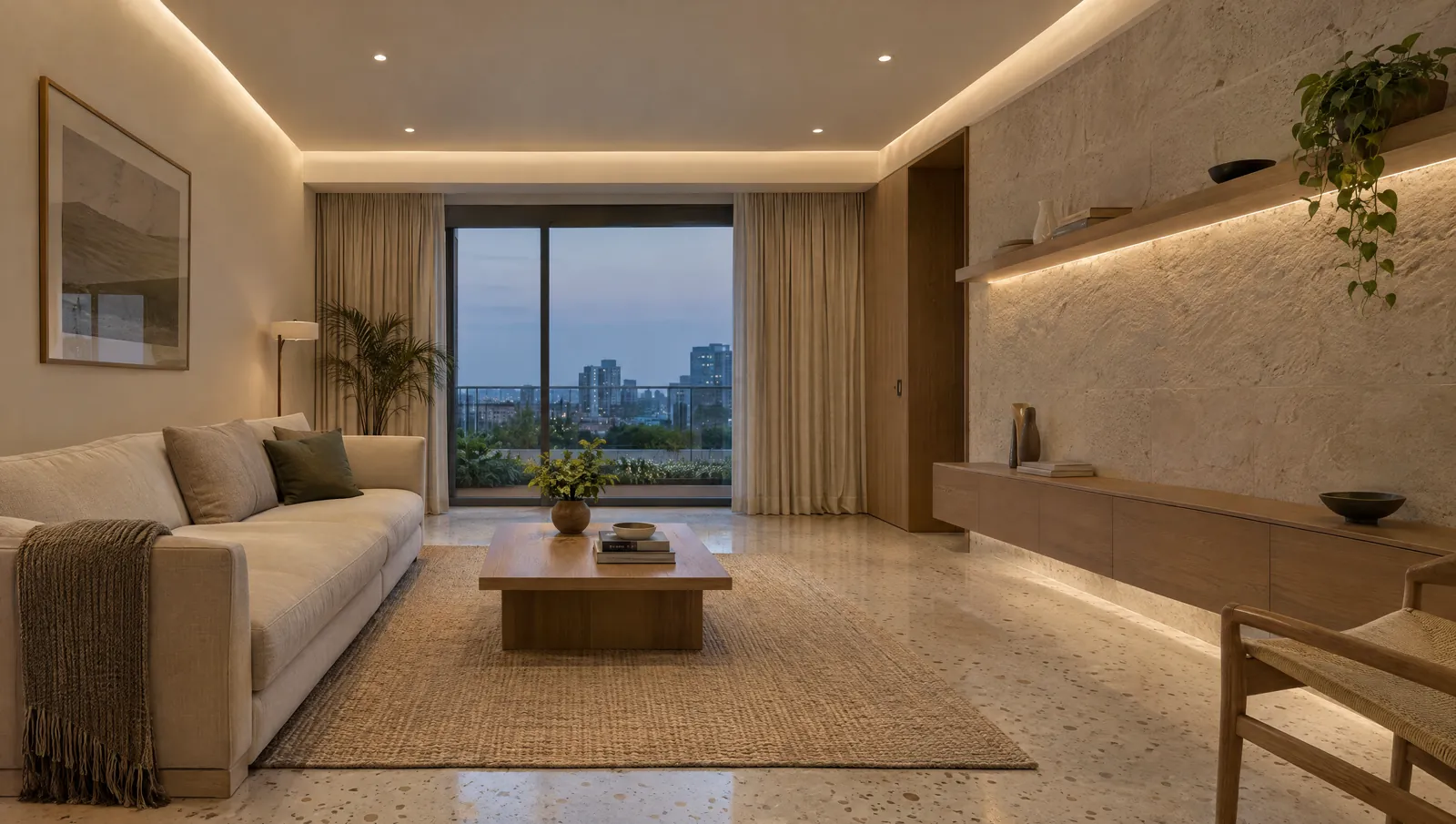
Recessed and hidden lighting set the luminaire into the ceiling, wall or joinery, so the light is seen and the fitting is not. The approach suits contemporary interiors, and it rewards careful planning.
Recessed lighting
Recessed luminaires sit flush with the ceiling or wall. Trimless versions are plastered in, leaving only the opening visible. They keep low ceilings uncluttered and suit any space that calls for a quiet, architectural finish.
Hidden lighting
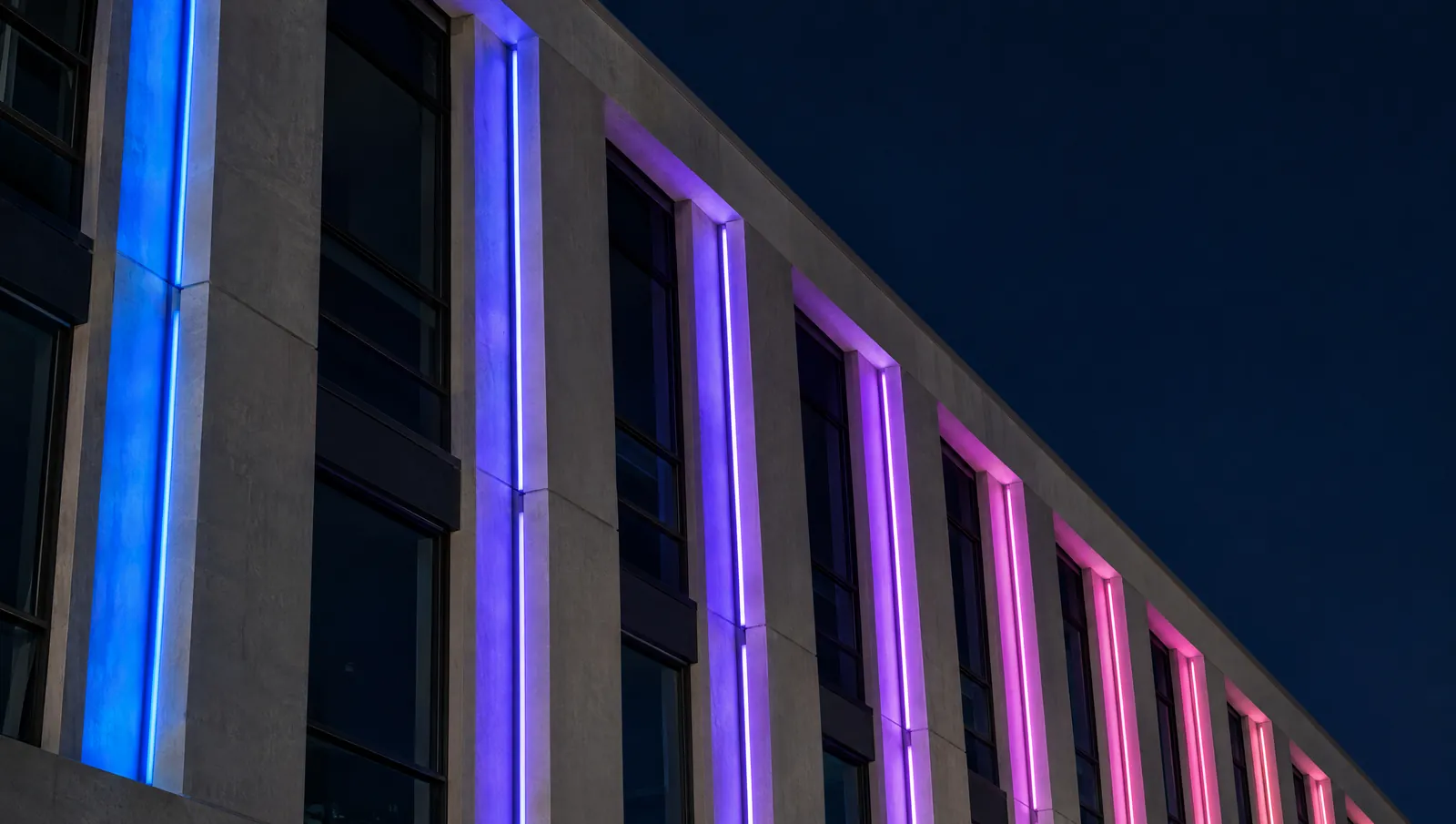
Concealed sources, such as linear LED in coves, under cabinets or along stairs, bring out architectural features and add depth: the edge of a ceiling, the underside of a kitchen island, the line of a corridor.
What they offer
- A cleaner look: the architecture and materials lead, not the fittings.
- A sense of space: without protruding fittings, rooms can feel larger and more open.
- Efficiency: LED sources use less energy than traditional lamps.
- Versatility: the same principles work in homes, hotels, offices and stores.
Where to use them
- Living rooms: recessed lights around the perimeter, with concealed strips behind furniture for a soft background.
- Kitchens: concealed task lighting under cabinets, without harsh overhead light.
- Bathrooms: recessed lights in the ceiling and around mirrors for grooming, with an IP rating suited to each zone.
- Stores and galleries: recessed and concealed lighting in display areas, so products and artwork are lit without visible fittings.
Plan it early
Recessed and trimless luminaires need ceiling depth, cut-outs and maintenance access decided before the ceiling is built. Staron, for example, is available in trimless versions for a plastered-in finish. Share your drawings early so that cut-outs, depths and controls can be coordinated.