Lighting an art museum: paintings and sculpture
How to light paintings and sculpture in a large gallery with a medium-height ceiling: conservation, layered light, controls and flexibility for changing exhibitions.
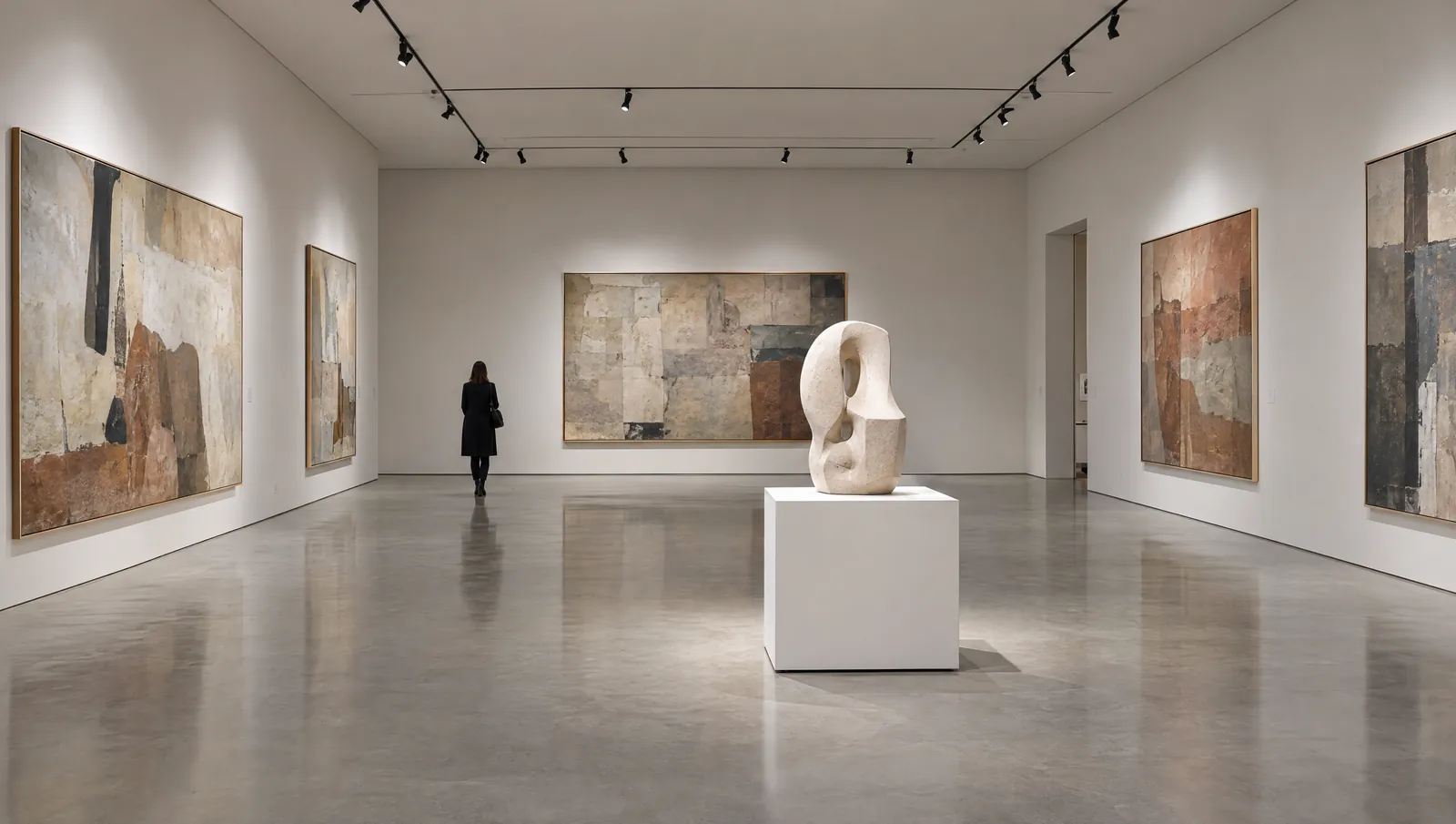
Museum lighting has three jobs at once: reveal the work, create a calm setting for visitors and protect the collection. This note looks at a large, open gallery with a medium-height ceiling, showing paintings and sculpture.
The space and the work
Paintings need controlled, glare-free light that keeps colour and texture true. Sculpture needs directional light that models its form. In a large open room, both have to sit within one calm overall scheme.
Conservation
Light exposure fades and damages sensitive works over time, and ultraviolet and infrared radiation add to the risk. LED sources emit far less of both than halogen lamps, but exposure still has to be managed: agree light levels and display hours with the conservator, and use dimming and scheduling to stay within them.
Layered light
Combine ambient light for a soft general level, accent light to draw attention to individual works, and task light for signage and interactive areas. Keeping the layers separate lets curators change the emphasis without relighting the room.
Paintings, sculpture and general areas
- Paintings: track or wall-mounted spotlights that can be aimed, with a choice of beam angles, set to light the canvas evenly without glare or hot spots.
- Sculpture: light from more than one direction, combining overhead and side light to bring out texture and shadow, with dimming to tune each piece.
- General areas: recessed or concealed lighting in ceilings and walls for an even, uncluttered background.
Controls
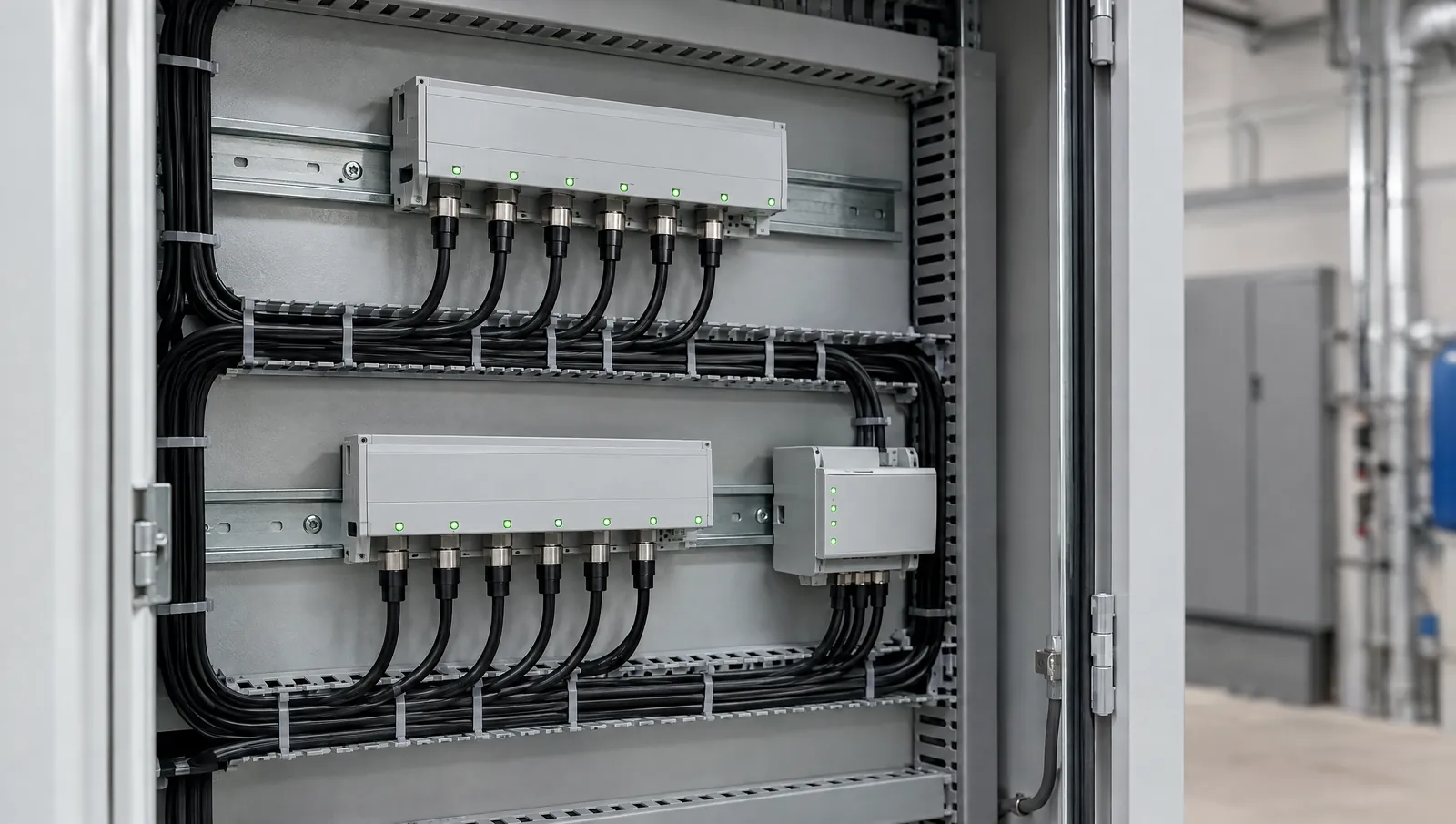
A DALI control system lets each luminaire or group be dimmed, scheduled and set to scenes for different exhibitions, times of day or events. Presence and daylight sensors can reduce energy use in quieter hours.
Built for change
Exhibitions change often. Track systems such as Mini.12 let spotlights be added, moved or re-aimed along the track, and a documented control plan makes each change quicker.
How we can help
Our in-house team can propose luminaires, optics and controls, prepare the lighting design with your curators and architects, and install and commission the system. The included scope is confirmed in each offer.